
Film noir. Two words which conjure images of unshaven men in fedoras, dangerous women in evening dresses, rain-slicked back alleys in America’s cities, and… prospectors in California mining towns?
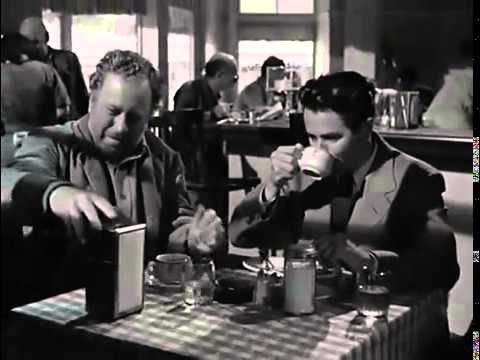
And yet, I’m starting to find the arid lands outside of the great noir settings hold just as many people making bad decisions in a desperate attempt to escape their circumstances.
Every Sunday morning at 10am Eastern, I visit Noir Alley. Hosted by Eddie Muller – a man who earned the title “The Czar of Noir” with his work in the Film Noir Foundation – I watch our host lead us through classic films of the era. And while I’ve seen my share of bank jobs gone wrong, or loves turn to murder (and tweeted along to them on #NoirAlley), I was surprised by one location which kept appearing: the desert, and the mountains.
Humphrey Bogart and Ida Lupino’s High Sierra is a famous example. This early noir ended in the desert town of Lone Pine, California, with a sharpshooter taking down Bogart after a tense stand on the rough mountains. But as films went on, the desert became more and more prominent.
In Framed, Glen Ford’s follow-up to Gilda, Ford plays a mining engineer looking to start anew. He finds an old prospector, a chance at a good job, and a James M. Cain style murder plot all under the glaring sun. The end of The Prowler, a dark little film staring Van Heflin and Evelyn Keys and written (in pseudonym) by blacklisted writer Dalton Trumbo, ends with the larcenous pair trapped in a ghost town where their adulterous desires will meet a brutal end.
And then there is Split Second. On the surface, this is a hostage drama with escaped convicts. But instead of an urban home, everyone is in an abandoned resort town in the desert under a ticking clock. In this case, an above-ground atom bomb test. This is the first time I’ve ever seen someone get their (film production code mandated) bad end through a nuclear detonation.
But even through other films, the desert shows up. Las Vegas becomes a setting in many places. A good number of chase scenes take place out away from the city. I know it’s likely just because it’s cheaper to film out there, yet I think here’s something more.
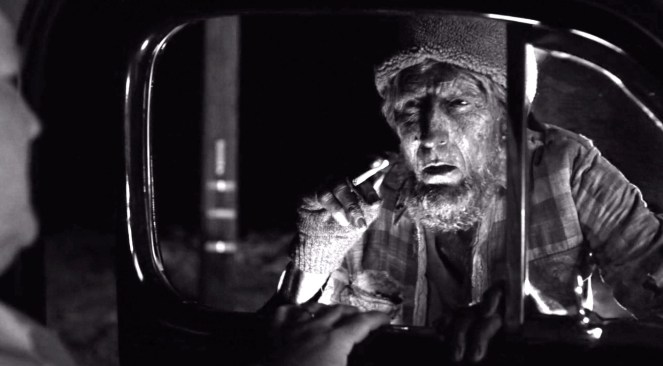
Take Ida Lupino‘s brilliant film, The Hitch-Hiker. Without the desolate beauty of Baja California, would the main character’s plight as hostages of the high-hiker been half as tense? In the desert, you can run anywhere, and still have nowhere to go, and no safe place to escape.
Think about this the next time you’re heading down a dark road in the middle of the desert, no companions but scrub brush, coyotes, and a strange man who asks you: “Got a light?”
 Biomechanoid Blues
Noir is one of my favorites. Thanks for sharing.